
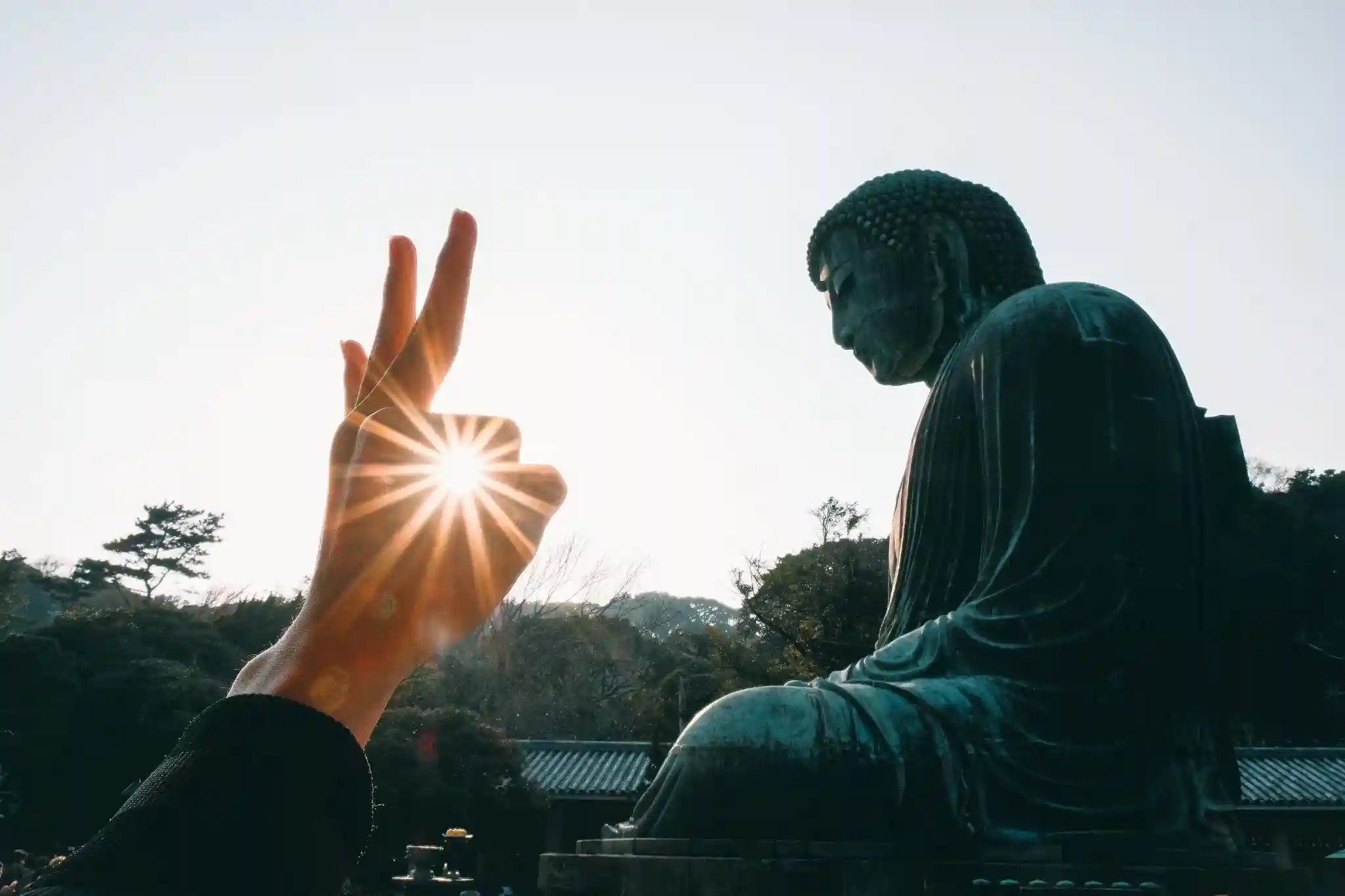


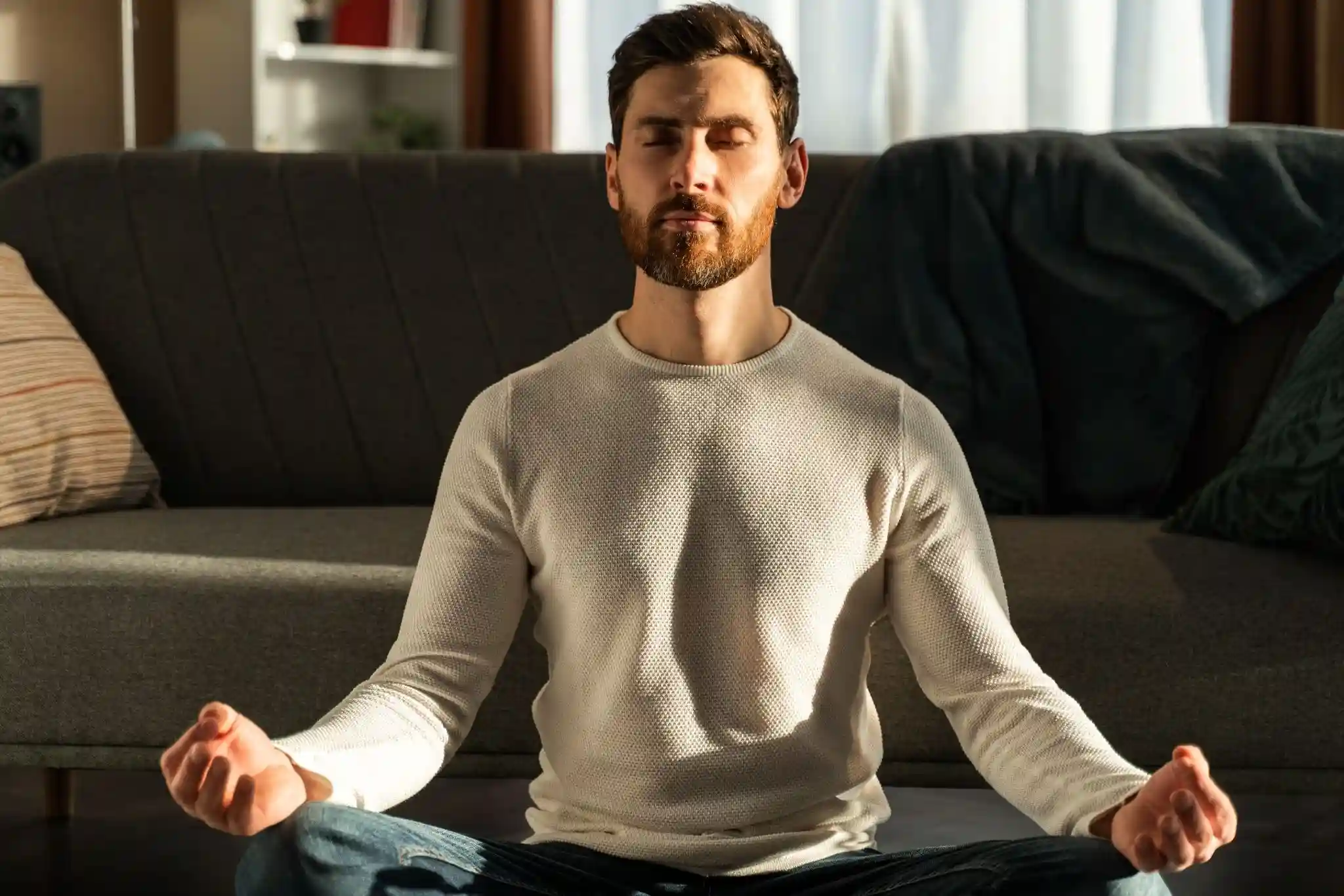

In a world filled with distractions, finding peace and clarity can feel impossible. Vipassana meditation, one of the oldest forms of meditation, offers a path to insight and awareness. This practice helps individuals connect with their inner selves and the present moment. Mastering Vipassana can lead to profound changes in how we perceive ourselves and the world around us.
What is Vipassana Meditation?
Definition and Historical Background
Vipassana, which means “clear seeing,” is a meditation technique rooted in Buddhist traditions. It dates back over 2,500 years and is taught as a means to understand the true nature of reality. Unlike other forms of meditation that may focus on concentration or visualization, Vipassana emphasizes observation. This method encourages practitioners to observe their thoughts, feelings, and bodily sensations without judgment.
Key Principles of Vipassana Meditation
The key principles of Vipassana meditation include mindfulness and self-awareness. By developing a keen sense of observation, practitioners can identify patterns in their thoughts and behaviors. This awareness is crucial for personal growth and emotional healing. While many meditation techniques exist, Vipassana stands out for its emphasis on insight rather than relaxation.
The Benefits of Vipassana Meditation
Physical Benefits
Vipassana meditation offers numerous benefits, impacting physical, mental, and spiritual health. One of the most notable physical benefits is stress reduction. Regular practice can lead to lower levels of anxiety and a greater sense of calm. Participants often report improved concentration and focus, allowing them to be more productive in their daily lives.
Mental Benefits
On a mental level, Vipassana enhances emotional regulation. Practitioners learn to observe their emotions without becoming overwhelmed by them. This skill can lead to clearer thinking and better decision-making. As individuals become more aware of their emotional patterns, they can respond to challenges with greater resilience and clarity.
Spiritual Benefits
Spiritually, Vipassana deepens self-awareness. It encourages individuals to explore their inner landscapes, leading to a stronger connection to the present moment. This connection fosters mindfulness, allowing people to appreciate life’s simple joys. As practitioners develop insight, they often experience a sense of peace and fulfillment that transcends daily struggles.
Preparing for Vipassana Meditation
Setting Intentions
Before diving into Vipassana meditation, it’s essential to prepare both mentally and physically. Setting intentions is a crucial first step. Consider what you hope to achieve through your practice, whether it’s stress relief, emotional healing, or spiritual growth. Having clear goals can guide your meditation journey and keep you motivated.
Creating a Suitable Environment
Creating a suitable environment is also important. Choose a quiet space where you feel comfortable and safe. Minimize distractions by silencing your phone and informing others of your meditation time. A calming atmosphere can enhance your focus and deepen your practice.
Necessary Materials
Additionally, gather any necessary materials. A meditation cushion or mat can help provide comfort during long sessions. Wear loose-fitting clothing to allow for free movement and relaxation. Having a journal nearby can be beneficial for jotting down reflections after your meditation sessions.
The Practice of Vipassana Meditation
Basic Techniques
At its core, Vipassana meditation is about observation. Begin your practice with basic techniques like breath awareness and body scanning. Start by sitting comfortably and focusing on your breath. Notice the sensation of air entering and leaving your body. If your mind wanders, gently bring your attention back to your breath.
Developing Mindfulness
Body scanning involves paying attention to different parts of your body, noticing sensations without judgment. This technique encourages mindfulness and helps you become aware of physical tension or discomfort. By observing these sensations, you can learn to respond to them without reacting impulsively.
Overcoming Challenges
However, challenges can arise during meditation. Restlessness, discomfort, and wandering thoughts are common obstacles. When faced with these challenges, remind yourself that it’s a natural part of the process. Use techniques like deep breathing or gentle stretching to ease discomfort. Maintaining patience and persistence is key to overcoming these hurdles.
Advanced Vipassana Techniques
Deepening Your Practice
As you become more comfortable with the basics of Vipassana, you may want to explore advanced techniques. Deepening your practice can involve attending longer meditation retreats. These immersive experiences allow you to fully engage with the practice, free from daily distractions. Retreats often provide structured schedules that include multiple meditation sessions, meals, and group discussions.
Integrating Vipassana into Daily Life
Integrating Vipassana into your daily life is another way to deepen your practice. This can be as simple as setting aside a few minutes each day for meditation. Use moments of stillness, such as during your commute or while waiting in line, to practice mindfulness. The goal is to carry the principles of Vipassana into everyday situations, enhancing your overall awareness.
Exploring Insight
Exploring insight is a vital component of advanced Vipassana practice. As you meditate, you may begin to recognize patterns of impermanence and non-attachment. Understanding that all things are temporary can lead to profound personal transformation. By embracing this insight, you can navigate life’s challenges with greater ease and acceptance.
Common Misconceptions About Vipassana Meditation
Addressing Myths and Misunderstandings
Despite its benefits, many misconceptions surround Vipassana meditation. One common myth is that meditation is only for relaxation. While relaxation can be a byproduct, the primary goal of Vipassana is insight and awareness. It’s not about zoning out; it’s about becoming more present and aware of your thoughts and feelings.
Clarifying the Purpose of Vipassana
Another misconception is that meditation requires complete silence and stillness. In reality, Vipassana encourages practitioners to observe all experiences, including distractions. Rather than seeking to eliminate thoughts, the practice involves acknowledging them without judgment. This approach fosters a deeper understanding of your mind and emotions.
Understanding the Commitment Required
Some people also believe that meditation is a quick fix for life’s problems. While Vipassana can offer significant benefits, it requires time and commitment. Consistent practice is essential for reaping the rewards. Like any skill, meditation develops over time, leading to greater insight and awareness.
Tips for Sustaining Your Vipassana Practice
Consistency is Key
To fully experience the benefits of Vipassana meditation, consistency is crucial. Setting a regular meditation schedule can help you stay committed to your practice. Whether it’s early in the morning or before bedtime, find a time that works best for you. Consistency will allow you to build momentum and deepen your understanding of the practice.
Joining a Community
Joining a community can also enhance your Vipassana experience. Group meditation sessions provide support and encouragement as you navigate your journey. Sharing experiences with others can help you feel less isolated and more connected to a larger purpose. Many meditation centers offer classes and workshops where you can connect with like-minded individuals.
Continuous Learning
Continuous learning is another essential aspect of sustaining your practice. Explore books, online courses, and workshops focused on Vipassana and mindfulness. Engaging with new resources can provide fresh insights and deepen your understanding of the practice. The more you learn, the more equipped you’ll be to navigate your meditation journey.
Conclusion
Vipassana meditation offers a powerful path to insight and awareness. By mastering this technique, you can transform your relationship with yourself and the world around you. The journey may come with challenges, but the rewards are profound. Embrace the process, be patient with yourself, and allow the practice to unfold naturally.
As you embark on this journey, remember that you are not alone. Many have walked this path and experienced the transformative power of Vipassana meditation. With dedication and an open heart, you can cultivate a deeper understanding of yourself and the world, leading to a more fulfilling and mindful life.
FAQs
What is the difference between Vipassana and mindfulness meditation?
Vipassana focuses on insight and observation of thoughts and feelings, while mindfulness is about being present and aware in the moment. Both practices complement each other and can enhance overall meditation experiences.
How long should one practice Vipassana meditation daily for best results?
Even a few minutes of daily practice can be beneficial. However, many practitioners aim for 30 minutes to an hour each day to experience deeper insights and awareness over time.
Can Vipassana meditation help with anxiety and depression?
Yes, many individuals report reduced anxiety and improved emotional well-being through regular practice of Vipassana. It encourages awareness and emotional regulation, which can alleviate symptoms of anxiety and depression.