



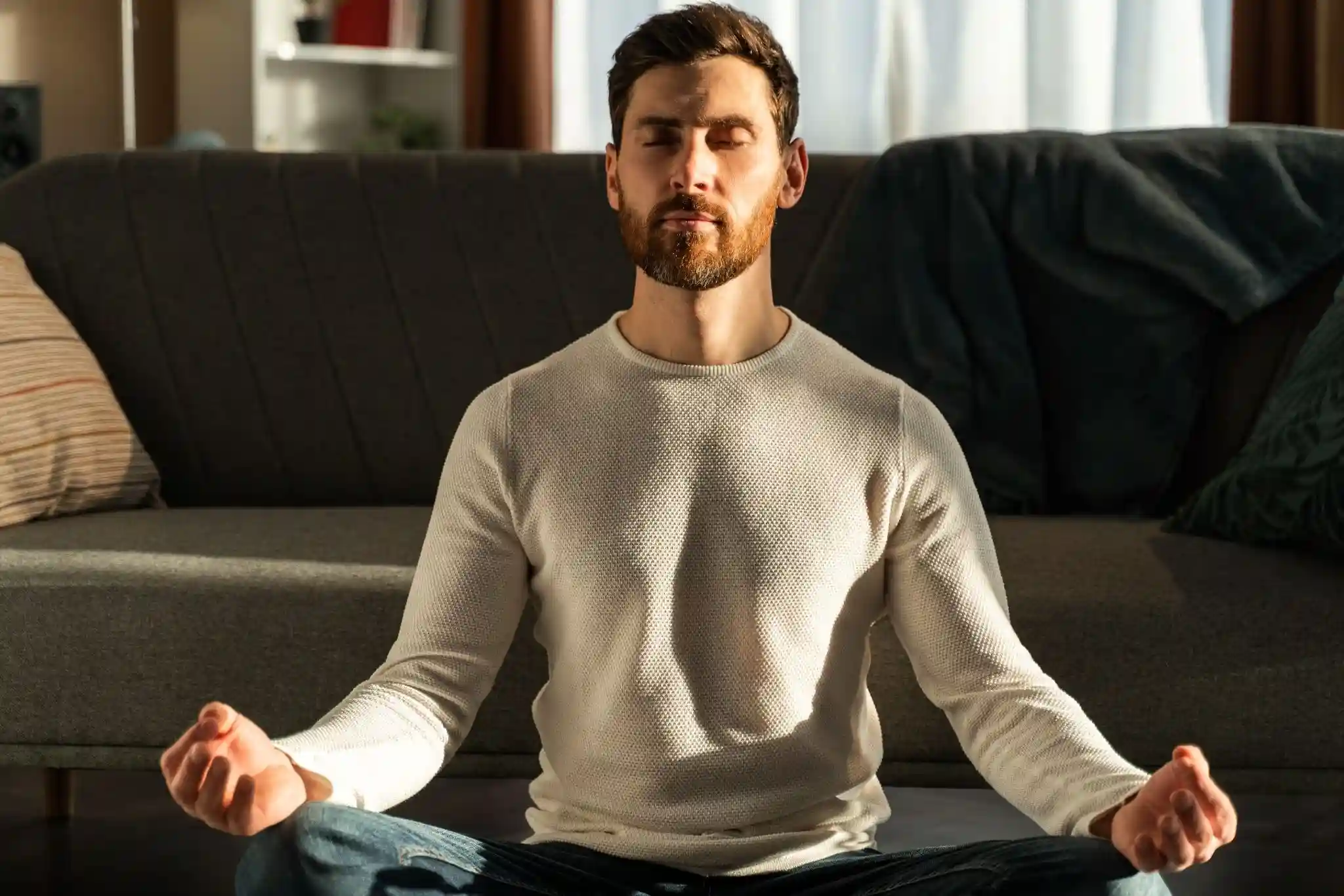

Anxiety and trauma are prevalent experiences in today’s fast-paced world, affecting countless individuals. These conditions can trigger feelings of unease, sadness, and overwhelm, impacting everyday life. The quest for relief leads many to explore various coping strategies, and one effective approach is through somatic grounding techniques. These methods focus on the profound connection between the mind and body, promoting a sense of safety and stability. In this blog post, we will explore what somatic grounding techniques are, how they work, their benefits, and practical methods you can incorporate into your daily life as a means to manage anxiety and trauma.
Understanding Somatic Grounding Techniques
What Are Somatic Grounding Techniques?
Somatic grounding techniques encompass a collection of practices aimed at fostering a reconnection with one’s body and the present moment. Unlike traditional grounding methods, which often rely on mental distractions or cognitive techniques, somatic approaches emphasize bodily sensations as a pathway to emotional regulation. By tuning into the body’s signals, individuals can effectively process their feelings at a deeper level, facilitating healing and resilience.
Somatic grounding encourages awareness of the physical body, making it an empowering tool in the face of anxiety and trauma. When individuals learn to recognize and respond to bodily sensations, they can cultivate a sense of control over their emotional states, helping to mitigate the grip of anxiety or traumatic memories.
The Science Behind Somatic Grounding
The mind-body connection is a fundamental aspect of somatic grounding techniques. When we experience anxiety or trauma, our bodies often react with physical symptoms, such as increased heart rate, shallow breathing, or muscle tension. These physiological responses can further exacerbate feelings of distress, leading to a cycle of anxiety that feels difficult to break. Somatic grounding techniques aim to counteract these responses by promoting awareness and regulation of bodily sensations.
Research supports the effectiveness of somatic practices in reducing anxiety and trauma symptoms. Studies demonstrate that engaging in somatic techniques can lead to changes in the body’s stress response, promoting relaxation and emotional regulation. For instance, mindfulness-based interventions that emphasize body awareness have been shown to decrease symptoms of anxiety and improve overall mental health. Understanding the science behind these techniques can enhance your appreciation of their potential benefits.
Benefits of Somatic Grounding Techniques
Emotional Regulation
One of the most significant benefits of somatic grounding techniques is their ability to enhance emotional regulation. Many individuals struggle with intense emotions that can feel overwhelming and difficult to manage. Grounding techniques provide practical tools to help navigate these feelings. For instance, when anxiety strikes, practicing grounding can bring attention back to the body, allowing individuals to process their emotions without becoming consumed by them.
People who regularly practice somatic grounding techniques often report feeling calmer and more in control of their emotional states. This sense of control is empowering and can lead to improved self-esteem and resilience in the face of life’s challenges. Emotional regulation through grounding not only aids in immediate anxiety relief but also fosters long-term emotional health.
Enhancing Mindfulness
Somatic grounding techniques also play a crucial role in enhancing mindfulness. Mindfulness is the practice of being fully present in the moment, and it can significantly contribute to emotional well-being. Engaging in somatic techniques helps individuals focus on their physical sensations, which promotes a heightened awareness of the present. By tuning into the body, people can let go of worries about the past or future, allowing them to experience life more fully.
Incorporating mindfulness into grounding practices creates a powerful synergy. This combination helps individuals cultivate a greater sense of peace and clarity. As mindfulness deepens, individuals may find themselves more attuned to their emotions and better equipped to manage stressors in their lives. The ability to stay present can also reduce rumination, a common symptom of anxiety and depression.
Practical Somatic Grounding Techniques
Breathing Exercises
Breathing exercises are fundamental somatic grounding techniques that anyone can practice, regardless of their experience level. One effective method is deep belly breathing, which involves inhaling deeply through the nose, allowing the belly to expand, and then exhaling slowly through the mouth. This technique calms the nervous system and reduces feelings of anxiety.
Another helpful technique is the 4-7-8 breathing method, which involves inhaling for a count of four, holding the breath for seven counts, and then exhaling for eight counts. This rhythmic breathing pattern can help center the mind and body, providing immediate relief during moments of distress. Regular practice of these breathing exercises can create a sense of calm that becomes more accessible over time.
Body Awareness Practices
Body awareness practices are essential components of somatic grounding techniques. One effective method is progressive muscle relaxation, which involves tensing and then relaxing different muscle groups throughout the body. Starting from the toes and working your way up to the head allows you to focus on areas of tension and consciously release them. This practice promotes relaxation and helps individuals become more attuned to the sensations in their bodies.
Another beneficial practice is body scanning. Body scanning involves mentally scanning the body for areas of discomfort or tension, acknowledging these sensations without judgment. By recognizing where tension resides, individuals can begin to address those feelings and promote healing. This practice fosters a deeper connection with the body and encourages individuals to listen to their own needs.
Integrating Somatic Grounding into Daily Life
Creating a Grounding Routine
Incorporating somatic grounding techniques into your daily routine is essential for long-term benefits. Start by setting aside a few minutes each day for grounding practices. You might choose to practice deep breathing in the morning to set a positive tone for the day or engage in body awareness exercises before bed to promote relaxation. Consistency is key; the more you practice, the more natural these techniques will become.
Creating a grounding routine can also involve integrating these practices into existing activities. For example, take a few moments to breathe deeply while waiting in line or practice a body scan during a lunch break. Finding small moments throughout the day to engage in grounding can significantly enhance your overall sense of well-being.
Grounding Techniques for Specific Situations
Sometimes, anxiety can strike in specific situations, such as before a big presentation or during a stressful moment. Having grounding techniques readily available can be incredibly helpful in these instances. For example, before a presentation, try taking slow, deep breaths to center yourself. You can also practice grounding by focusing on your feet touching the ground, reminding yourself that you are safe and supported.
If faced with a traumatic memory or flashback, engage in a body scan to acknowledge your feelings without becoming overwhelmed. Grounding techniques can help you regain a sense of control and presence, allowing you to navigate challenging moments more effectively.
Overcoming Challenges in Grounding Practices
Common Obstacles
While somatic grounding techniques are beneficial, some individuals may encounter challenges when practicing them. It’s common to feel resistance or discomfort when first starting these techniques. For instance, some people may find it difficult to focus on their bodies, especially if they are experiencing strong emotions or trauma.
Acknowledging these feelings is essential. It’s okay to take small steps and gradually build your comfort level. Start with brief practices and increase the duration as you become more confident. Remember, the goal is not to eliminate discomfort entirely but to cultivate a greater awareness of it.
Seeking Professional Guidance
If you find it challenging to implement somatic grounding techniques on your own, seeking professional guidance can be beneficial. Therapists trained in somatic methods can provide personalized support and strategies tailored to your needs. They can help you explore deeper emotional issues and develop a grounding practice that resonates with you.
Working with a professional can enhance your understanding of your body’s responses and improve your overall mental health. Therapists can introduce you to additional techniques and provide a safe space to process your experiences. This collaborative approach can lead to profound healing and growth.
Conclusion
Somatic grounding techniques are powerful tools for managing anxiety and trauma. By reconnecting with the body, individuals can achieve emotional regulation and enhance mindfulness. The breathing exercises, body awareness practices, and nature-based grounding methods discussed in this post offer practical solutions for everyday challenges.
Incorporating these techniques into your daily routine can lead to lasting benefits, creating a sense of calm and stability. Remember that it’s okay to seek support if needed, as professional guidance can enhance your practice. As you explore somatic grounding, you may find a greater sense of peace and connection within yourself, empowering you to navigate life’s challenges with resilience.
FAQs
What is the difference between grounding and mindfulness? Grounding focuses on reconnecting with the body and present moment sensations, while mindfulness encompasses a broader awareness of thoughts and feelings without judgment.
How long should I practice somatic grounding techniques each day? Starting with just five to ten minutes a day can be effective. As you become more comfortable, you can gradually increase the duration to suit your needs.
Can somatic grounding techniques be used alongside therapy? Yes, somatic grounding techniques can complement therapy. They provide practical tools that can enhance the therapeutic process and improve emotional well-being, making them a valuable addition to your mental health toolkit.